Best Pet Photo Poses for Stunning Portraits: A Complete Guide
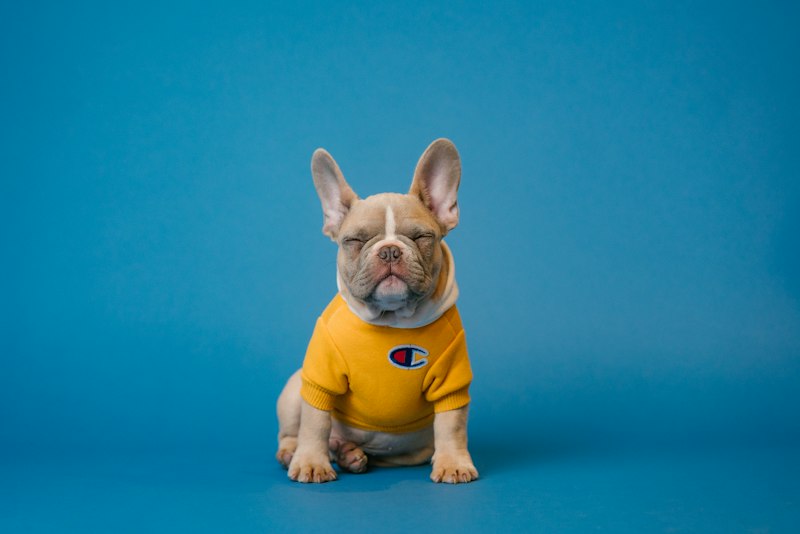
The difference between a forgettable pet photo and a frame-worthy masterpiece often comes down to one thing: the pose. Whether you're shooting for social media, a family photo album, or an AI pet portrait, knowing which poses translate best into art will dramatically improve your results.
Here are the classic, candid, and creative poses that consistently produce the most stunning pet portraits.
The Classic Head-On
This is the gold standard for pet portraits and the pose that produces the best AI art. Your pet faces the camera directly, both eyes visible, ears in their natural position. It's the equivalent of a human passport photo, but infinitely more adorable.
Why it works: Both eyes create symmetry, and the direct gaze creates an emotional connection with the viewer. AI models are optimized for front-facing shots, producing the sharpest detail and most accurate likeness.
How to get it: Hold a treat directly above your camera lens. Your pet will look straight at the camera while trying to focus on the treat. Snap quickly, you'll have about 3 seconds before they look away.
The Three-Quarter Turn
Slightly turned from the camera, about 30-45 degrees, with both eyes still visible. This is the most flattering angle for most pets, adding dimension and character that a straight-on shot sometimes misses.
Why it works: It shows the profile of the muzzle while keeping both eyes visible, creating depth. This is the angle most traditional portrait artists prefer, and it translates beautifully into oil painting and watercolor styles.
How to get it: Stand slightly to one side and use a noise or treat to get your pet to look toward you without fully turning their head.
The Profile
A full side view showing your pet's silhouette, the shape of their nose, the line of their forehead, the set of their ears. Profile shots are dramatic and elegant, though they work less well for AI portrait conversion since only one eye is visible.
Why it works: Profiles highlight breed characteristics and create a strong, graphic composition. Particularly beautiful for dogs with distinctive profiles, Greyhounds, German Shepherds, and Bull Terriers.
Best for: Photography and printed photos. For AI portraits, the three-quarter turn is preferred.
The Head Tilt
Every pet owner's kryptonite. The head tilt, when your pet cocks their head to one side with a curious expression, is universally adorable and makes for incredibly charming portraits.
Why it works: The asymmetry of the tilt adds personality and charm. It captures curiosity, intelligence, and engagement, qualities that make viewers feel emotionally connected to the portrait.
How to get it: Make an unusual sound, a high-pitched noise, a whistle, or say a word they don't know. Most dogs will tilt their heads in response. Be ready with burst mode because the tilt lasts only a second or two.
The Regal Sit
Your pet sitting upright with good posture, chest out, head high. This proud, dignified pose makes dogs look noble and self-assured, perfect for breeds with natural dignity like Great Danes, Dobermans, and Standard Poodles.
Why it works: The upright posture conveys confidence and strength. This pose is especially effective for Renaissance and oil painting styles, where the regal bearing matches the classical art treatment.
How to get it: Ask your dog to sit, then hold a treat slightly above their eye level to get them to lift their chin. This naturally straightens their posture and creates that noble look.
The Relaxed Lay
Your pet lying down comfortably with their head raised, looking at the camera with relaxed, half-lidded eyes. This casual pose captures the contentment and trust that defines the pet-owner relationship.
Why it works: It's authentic. This is how your pet actually looks most of the time, comfortable in their space, relaxed, at peace. Watercolor and pencil sketch styles render this pose beautifully.
How to get it: Wait for it naturally. When your pet is lounging on the couch or bed, get down to their level and gently get their attention. Don't disrupt the relaxed mood, just capture it.
The Chin Rest
Your pet resting their chin on their paws, a pillow, or the edge of furniture. This is one of the most photogenic natural poses, it frames the face perfectly and creates a cozy, endearing image.
Why it works: The chin rest naturally positions the face front-and-center, with the paws adding a cute frame. The lowered head and upward gaze creates large, soulful eyes.
The Look Back
Your pet looking back over their shoulder at the camera. This dynamic pose adds movement and energy to the portrait, as if your pet was caught mid-adventure.
Why it works: The over-the-shoulder angle creates a sense of spontaneity and personality. It's less formal than a front-facing shot but still captures the face clearly.
How to get it: Let your pet walk ahead of you, then call their name. They'll look back naturally, be ready with your camera.
Cat-Specific Poses
The Loaf
All paws tucked under, body forming a perfect rectangular loaf shape. This iconic cat pose is universally loved and makes for adorable portraits in every style.
The Window Watcher
Cat sitting in a window, silhouetted against natural light. The backlighting creates a dramatic outline while the window light illuminates their face. Stunning in watercolor and pencil sketch.
The Slow Blink
Capture your cat mid-slow-blink, eyes half-closed, expression pure contentment. This is the feline equivalent of a smile, and it translates into gorgeous, peaceful portraits.
The Perch
Cat sitting atop their cat tree, furniture, or any elevated surface, looking down with quiet authority. This naturally dignified pose is perfect for Renaissance and oil painting treatments.
Poses to Avoid for AI Portraits
While these are great for photos, they don't translate as well to AI portrait art:
- Full body action shots: Running, jumping, catching, the motion blur and unusual angles don't give AI enough facial detail
- Extreme close-ups: If only part of the face is in frame, the AI can't reconstruct the full portrait
- Back of head: AI needs to see the face to create a portrait
- Multiple pets in one photo: The AI works best with a single subject
- Heavy shadows on face: Half the face in shadow means half the detail is lost
Quick Setup Tips
- Shoot at eye level for the most engaging perspective
- Use natural light, position near a window or photograph outdoors
- Keep the background simple and uncluttered
- Use burst mode, always take more shots than you think you need
- Exercise your pet beforehand for calmer, more cooperative sessions
- Have treats ready but out of sight until the moment you need them
Got the Perfect Pose?
Upload your best pet photo and transform it into 10 stunning art styles. Ready in under 5 minutes. Just $14.99.
Upload Your Photo →Frequently Asked Questions
What is the best pose for a pet portrait?
The classic head-on pose with your pet looking directly at the camera is the most universally flattering. Both eyes should be visible, with good lighting on the face.
Should my pet be sitting or lying down?
Both work well! Sitting creates a more formal, alert portrait. Lying down with head raised gives a relaxed, natural look. The key is that the face is clearly visible regardless.
How do I get my pet to hold a pose?
Use treats to lure them into position, then hold a treat near the camera lens. Practice commands beforehand. For cats, wait for natural calm moments. Burst mode is essential.
Do action shots make good pet portraits?
Action shots make great photos but aren't ideal for AI portrait generation. Use calm, well-lit portraits with clear faces for the best AI art results.